Rebuilding After the Fires: What LA's Recovery Zones Mean for Developers
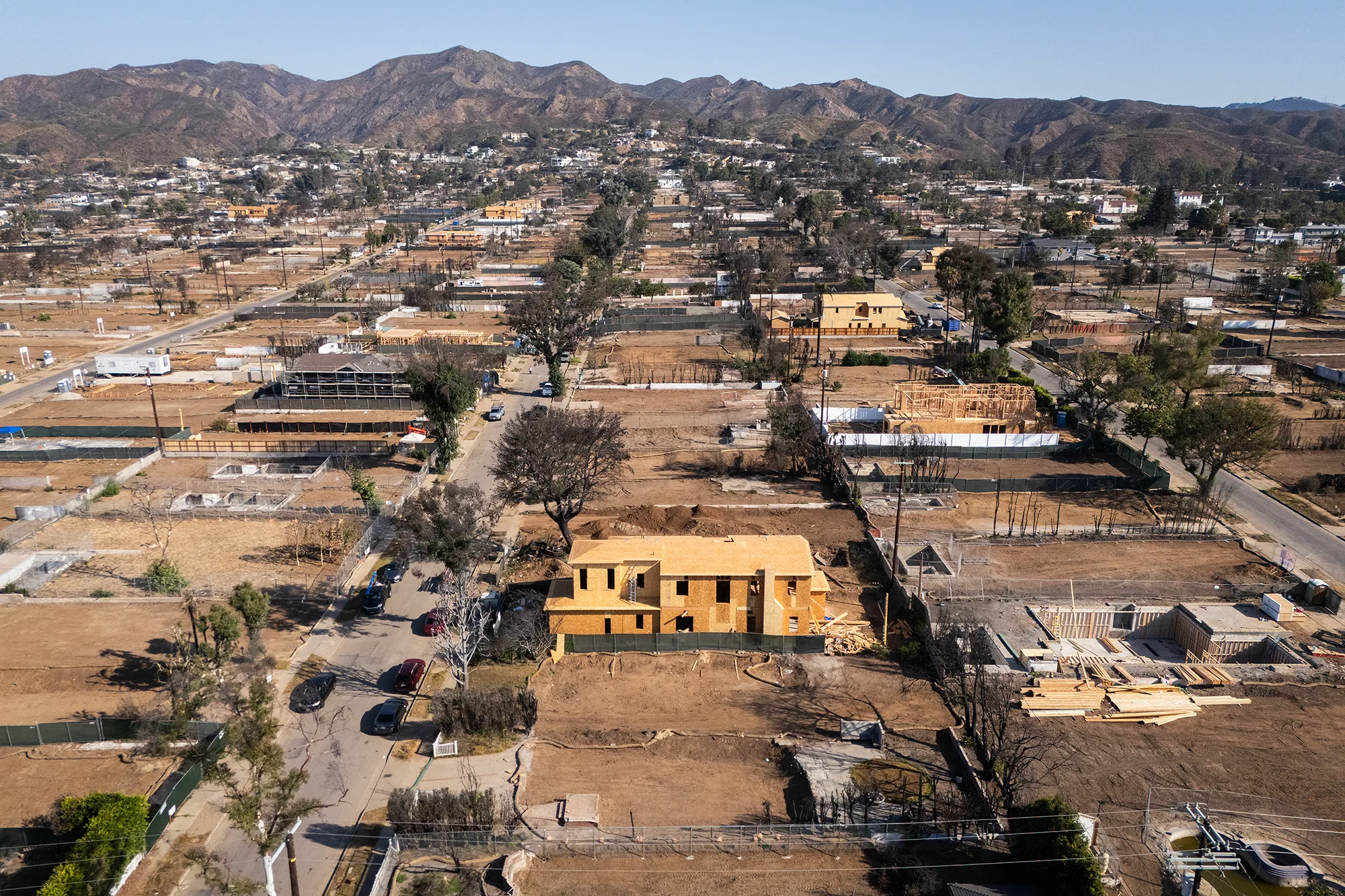
On January 7, 2025, the Palisades and Eaton fires tore through Los Angeles, destroying nearly 13,000 homes and displacing tens of thousands of residents. One year later, the rebuilding effort is reshaping how the city thinks about permitting, density, and housing production — and the implications extend far beyond the burn zones.
For developers and investors tracking the LA market, the fire recovery is not just a humanitarian story. It is a live experiment in regulatory reform, and the tools being deployed here are likely to influence housing policy citywide for years to come.
Where Things Stand: The Numbers
As of early 2026, the recovery is proceeding faster than most post-disaster rebuilds — but "faster" is relative:By comparison, after the 2018 Camp Fire in Paradise, fewer than 1-in-5 destroyed homes had been rebuilt seven years later. After Maui's 2023 fires, just 2% of homes had been permitted for reconstruction after one year. LA is outpacing these benchmarks — but most displaced residents are still far from home.
The Regulatory Changes That Matter
The speed of LA's recovery owes much to a set of executive actions and emergency regulatory changes that bypassed normal entitlement processes:1. Like-for-Like Rebuilds: 3-Day Approvals
Both Governor Newsom and Mayor Bass mandated expedited permitting for "like-for-like" rebuilds — construction that matches the approximate dimensions and design of the original structure. The result: planning approvals in as few as three days for projects that would normally take three months.2. Permit Fee Waivers: $90 Million Program
After months of debate, the City Council unanimously approved a fee waiver program in February 2026:For developers, the 110% threshold is key. It creates a narrow but real window to add square footage — an extra bedroom, an ADU, a second story — without triggering any permit fees on the original structure.
3. Pre-Approved Plans: The Foothill Catalog Model
One of the most innovative tools to emerge from the recovery is the "Foothill Catalog" — a packet of ready-made architectural and structural plans pre-approved by LA County. Developed by Altadena-based architects Cynthia Sigler and Alex Athenson, the catalog offers:This is a template that could scale well beyond fire recovery. Pre-approved, standardized designs that bypass discretionary review are exactly the kind of tool that housing advocates have been pushing for years — and the fire zones are proving they work.
The Density Question
The most consequential policy debate in the fire zones isn't about rebuilding what was there — it's about whether to build more.The Palisades and Altadena are taking divergent approaches:
The tension is straightforward: the homes that burned were predominantly single-family, built on some of the most valuable land in Los Angeles. Insurance shortfalls and rising construction costs mean many owners cannot afford to rebuild what they had. The economic case for allowing duplexes, triplexes, or small apartment buildings on these sites is strong — but the political resistance is real.
What This Means for Investors and Developers
Near-Term Opportunities
Medium-Term Implications
Risks
The Bigger Picture
What's happening in LA's fire zones is a compressed version of the city's broader housing challenge: too few homes, too many barriers to building them, and an entitlement system that moves too slowly to keep pace with demand.The emergency reforms adopted for fire recovery — expedited permitting, fee waivers, pre-approved plans, self-certification — are exactly the tools that housing advocates have been pushing for the entire city. The fire zones are proving these tools work. The question is whether LA will apply them beyond the burn scars.
Combined with the Adaptive Reuse Ordinance, the 2026 state housing legislation, and the ongoing density bonus trends in the entitlement pipeline, the fire recovery adds another layer to what is already the most active period of housing policy reform in Los Angeles in decades.
For a complete analysis of how these policy changes are playing out across the 52 active CPC entitlement cases, see our Los Angeles Zoning Trends & Entitlements Report.