Metro's 10,000-Unit Bet: How Joint Development Is Reshaping LA's Transit Corridors
Los Angeles Metro is quietly executing one of the most ambitious housing programs in Southern California — and it has nothing to do with trains.
The agency's Joint Development program aims to build 10,000 homes on Metro-owned land by 2031, with 5,000 of those units restricted to affordable rents. The program leverages Metro's vast real estate holdings — station parking lots, rail yards, bus facilities, and adjacent parcels — to create transit-oriented housing at a scale that no private developer could achieve on its own.
For investors and developers tracking the LA market, Metro's joint development pipeline represents both a competitive threat and a potential partnership opportunity. The agency is actively seeking development partners, and the sites coming online sit at some of the most transit-accessible locations in the county.
District NoHo: The Largest Joint Development in Metro History
The flagship project is District NoHo, an 11.8-acre transit-oriented development at the North Hollywood station. The Metro Board authorized the Joint Development Agreement with Trammell Crow Company and High Street Residential in late 2024, and the project is now moving toward construction.The numbers are significant:
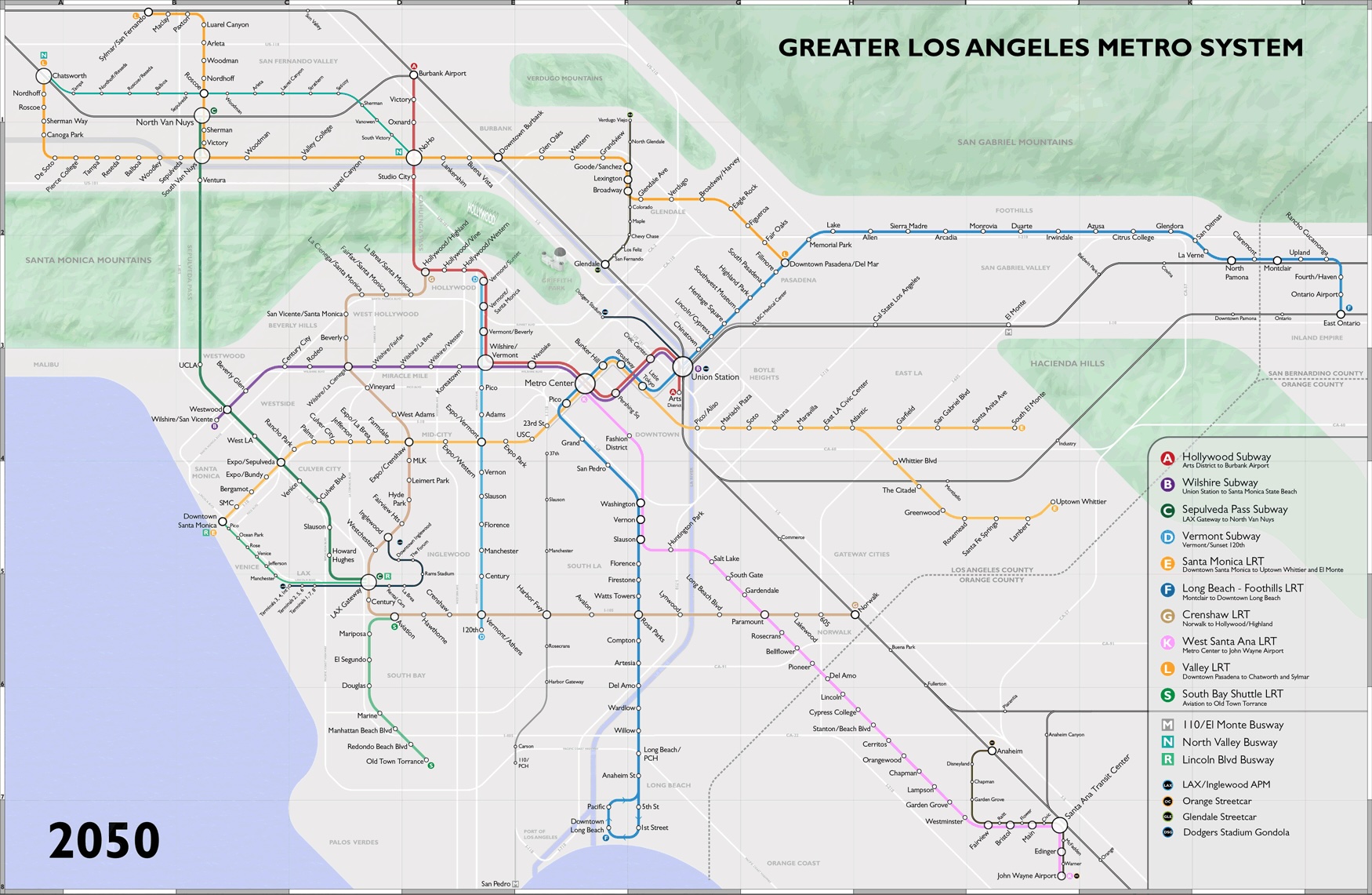
The site sits directly atop the North Hollywood Metro station — the junction of the B Line subway, G Line Bus Rapid Transit, and over 15 municipal bus lines. It is one of the most connected transit nodes in the county, and the development will transform what has been a surface parking lot into a mixed-use district.
"We have to get creative if we're going to build the housing we need in LA County," said LA County Supervisor and Metro Board Chair Janice Hahn. "District NoHo is an ambitious model of how we can maximize the space around our stations."
The Joint Development Pipeline
District NoHo is the largest, but it is far from the only project in Metro's pipeline. The agency has been steadily expanding its joint development portfolio across the county:The agency's 10,000-unit goal by 2031 would make Metro one of the largest housing producers in the region — rivaling many private developers in annual output.
Why Metro Is in the Housing Business
Metro's push into housing development is not altruism — it's strategy. The agency has a direct financial interest in increasing ridership, and housing near stations is the most reliable way to generate transit trips.The math is simple: residents who live within a quarter-mile of a rail station take transit at 3-5x the rate of residents who live farther away. Every new apartment at a Metro station is a potential daily rider — and every rider helps justify the massive capital investments Metro is making in rail expansion.
But there's a catch. The people most likely to ride transit are often the people least able to afford housing near it. As station areas have attracted development, rents have risen, and many lower-income residents have been displaced to car-dependent neighborhoods. Metro's affordability requirements are designed to ensure that the people who need transit most can still live near it.
"Metro has a strong interest in ensuring the people who ride public transportation can afford to live near it," said Metro CEO Stephanie Wiggins. "By directly linking Metro's network to housing, employment, retail and commercial opportunities, Metro expects to continue to grow transit ridership."
The Twenty-Eight by '28 Overlay
Metro's housing push is happening alongside its most ambitious infrastructure program in decades: the Twenty-Eight by '28 initiative, which aims to complete 28 major transit projects before the 2028 Olympic and Paralympic Games.As of early 2026, 9 of the 28 projects (32%) are complete, with the remaining 19 in progress. Key projects include:
Each new station creates new joint development opportunities — and new competition for developers already targeting those corridors. The sites Metro controls often have zoning advantages, community support infrastructure, and direct physical integration with transit that private sites cannot match.
SB 79 and the Zoning Wild Card
Metro's joint development program is also intersecting with the state's new transit-oriented development law, SB 79, which takes effect in mid-2026.SB 79 does two things that directly affect Metro:
This is a significant power shift. Metro can now unilaterally upzone its own properties — and the surrounding area must accommodate projects that meet the state's criteria. The City of LA is scrambling to develop local alternatives that would delay SB 79's implementation until 2030, but the law creates a clear advantage for Metro-owned sites regardless.
What This Means for Investors and Developers
Competitive Dynamics
Metro's joint development projects will add significant supply to transit corridors — and that supply will often be delivered at below-market rents due to affordability requirements. For market-rate developers targeting the same corridors, Metro's pipeline represents both a competitive threat (more units in the submarket) and a potential anchor (mixed-income development that attracts retail and services).The impact will vary by location:
Partnership Opportunities
Metro actively seeks development partners for its joint development sites. The RFP process is competitive, but successful bidders gain access to:Developers with affordable housing experience have a particular advantage, given Metro's 50% affordability target. Joint ventures that pair market-rate expertise with affordable housing developers may be well-positioned for future RFPs.
Site Selection Implications
For developers not partnering with Metro, the agency's pipeline should inform site selection:The Bottom Line
Metro's joint development program is transforming the agency from a transit operator into one of the region's largest housing developers. The 10,000-unit goal by 2031 is ambitious — but the agency has the land, the zoning authority (especially under SB 79), and the political will to deliver.For the development community, Metro is no longer just the agency that builds rail lines. It's a competitor, a potential partner, and a market-maker whose decisions will shape transit corridor development for decades.
For a detailed analysis of how transit-oriented development is playing out across the current CPC entitlement pipeline, see our Los Angeles Zoning Trends & Entitlements Report.