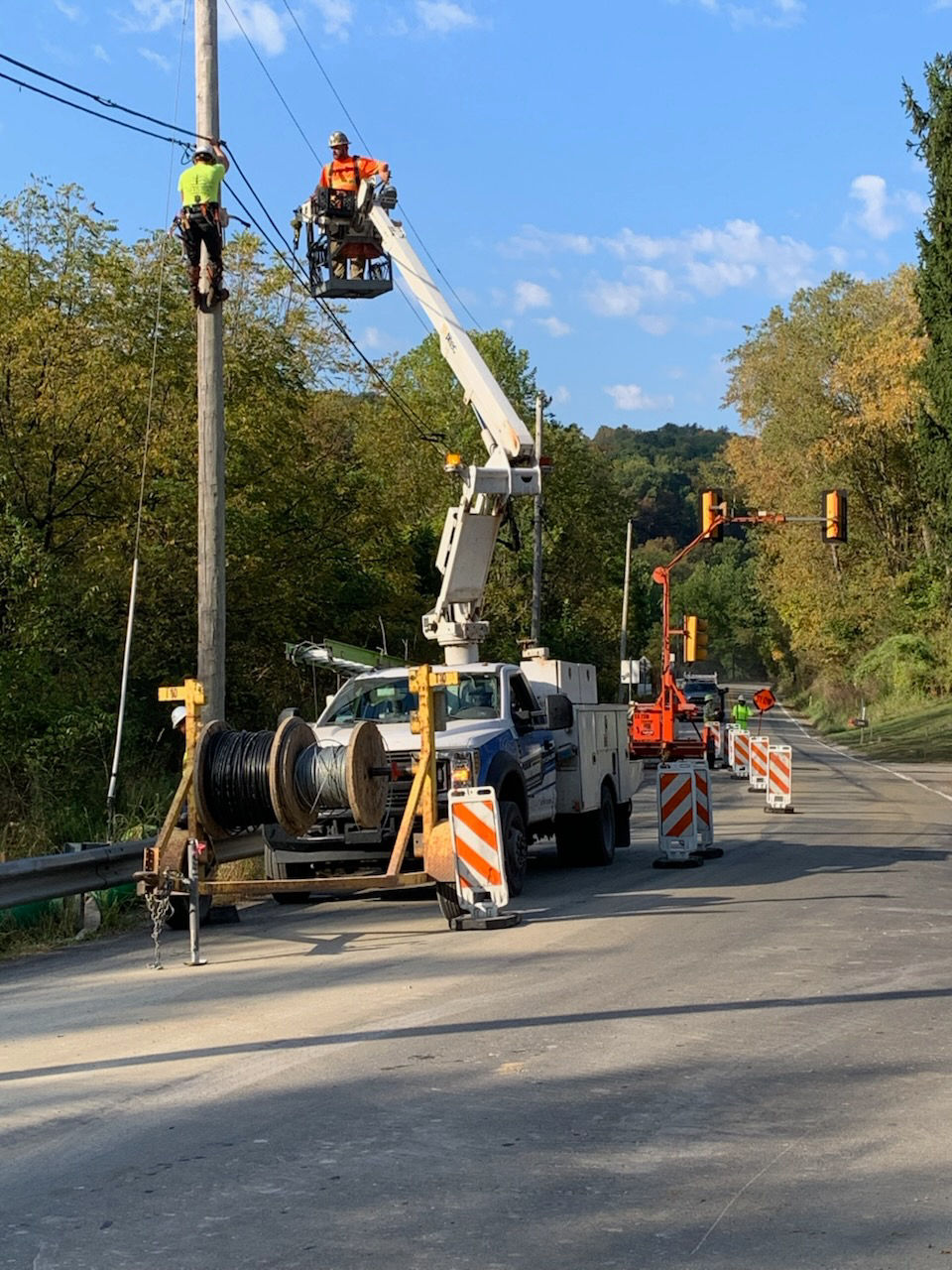
Utility Transportation: How Infrastructure Access Shapes Land Value
When evaluating a parcel for development, most buyers focus on zoning, lot size, and price. But one of the most overlooked drivers of land value is utility transportation — how water, sewer, power, gas, and data physically reach the site, and how easements and transportation corridors run across it.
Getting this wrong is expensive. A parcel that looks like a bargain can carry hundreds of thousands of dollars in hidden extension and connection costs. This guide breaks down what utility transportation means, why it matters, and how to assess it early.
What Is Utility Transportation?
Utility transportation refers to the movement of essential services from their source to a development site. It covers two related ideas:
- Conveyance infrastructure — the pipes, mains, transmission lines, and conduits that carry water, wastewater, electricity, natural gas, and telecommunications.
- Corridors and easements — the legal and physical pathways (rights-of-way, utility easements, and transportation routes) that allow this infrastructure to cross public and private land.
For a project to be viable, each utility must be able to travel from an existing network to the buildable area of your parcel — legally, physically, and affordably.
Why It Drives Land Value
Two otherwise identical parcels can differ dramatically in value based on utility access:
- Connection distance. A site adjacent to existing mains may cost a few thousand dollars to connect. A site half a mile away may require costly line extensions, boring under roads, or pump stations.
- Capacity. Even when a line is nearby, it may not have spare capacity. Upgrading a sewer main or transformer can fall on the developer.
- Easements. Existing utility or transportation easements can restrict where you build, reducing usable area and limiting density.
- Transportation access. Road frontage, curb cuts, and proximity to transit affect both construction logistics and the long-term value of the finished project.
The Five Utilities to Evaluate
1. Water
Confirm whether the site is served by a municipal water main or requires a private well. Check the main size, pressure, and distance to the nearest tap. Fire-flow requirements can force larger lines than you expect.
2. Sewer
Identify whether sanitary sewer is available or whether a septic system is required. Gravity sewer is ideal; if the site sits below the main, you may need a costly lift station. Soil and percolation tests are essential for septic feasibility.
3. Electricity
Locate the nearest distribution lines and transformers. Larger projects may trigger service upgrades or new transformers, and overhead-to-underground conversions add cost. Note any high-voltage transmission easements crossing the parcel.
4. Natural Gas
Gas is not always available in rural or newer areas. Verify the distance to the nearest gas main and whether the utility will extend service.
5. Telecommunications
Broadband and fiber access increasingly affect marketability. Confirm which providers serve the area and whether conduit already runs to the site.
Reading Easements and Corridors
Pull the parcel's title report and survey to identify recorded easements. Pay close attention to:
- Utility easements that reserve strips of land for current or future lines — you generally cannot build over them.
- Access and ingress/egress easements that dictate how vehicles and equipment reach the site.
- Transportation corridors such as planned road widenings or transit routes that may take part of your frontage.
Overlay these against your buildable envelope. A wide easement bisecting a small parcel can quietly eliminate a large share of developable area.
A Practical Due-Diligence Checklist
- Request utility maps from each provider and note line sizes, locations, and capacity.
- Measure connection distances from existing infrastructure to the buildable area.
- Order or review a current ALTA survey to confirm all easements and rights-of-way.
- Get preliminary extension and connection cost estimates before closing.
- Confirm road frontage, curb-cut permissions, and any planned transportation changes.
- Budget a contingency for capacity upgrades that may surface during permitting.
The Bottom Line
Utility transportation is the quiet variable that separates a profitable development from a stalled one. By mapping how every service reaches the site, reading easements carefully, and pricing connection costs before you commit, you protect your margin and avoid surprises that derail projects after closing.
At Abstract Form, our development scenarios factor in utility access, easements, and transportation corridors so you can see the full picture of a parcel's potential — not just its zoning on paper.