Commercial vs. Residential Real Estate Development: Key Differences
Real estate development is often treated as a single discipline, but commercial and residential projects operate under fundamentally different rules. They differ in zoning, financing, timelines, tenant relationships, and how value is created. Understanding these differences is essential before committing capital to a site.
This guide breaks down the core distinctions so you can evaluate which path fits your goals, risk tolerance, and expertise.
Defining the Two Categories
Residential development creates housing: single-family homes, townhouses, condominiums, and apartment buildings intended for people to live in. Note that large multifamily properties (typically five or more units) are often classified and financed as commercial assets even though people live there.
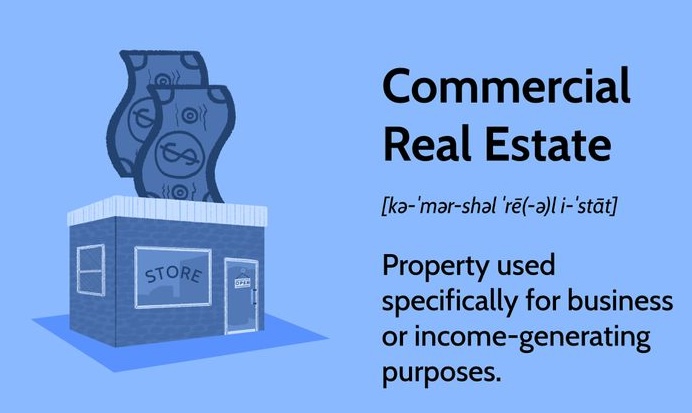
Commercial development creates income-producing property for business use: office buildings, retail centers, industrial and warehouse space, hotels, and mixed-use projects. Value is driven by the income the property generates rather than comparable home sales.
1. Zoning and Entitlements
Residential projects usually fit within established residential zones, though density, setbacks, and height still matter. Approvals can be faster when a project conforms to existing zoning.
Commercial projects face more complex entitlements: parking ratios, traffic studies, environmental review, signage rules, and stricter accessibility and fire codes. Rezoning or variances are common and can add months or years to the timeline.
2. How Value Is Created
Residential value is largely set by comparable sales — what similar homes nearby have sold for. Location, schools, and finishes drive price.
Commercial value is set by income. Appraisers apply a capitalization rate to the property's net operating income (NOI). This means improving cash flow — raising rents, cutting expenses, or improving occupancy — directly increases the asset's value, giving developers more levers to force appreciation.
3. Financing and Capital
- Residential: Smaller projects can use conventional mortgages or construction loans with relatively low down payments. Underwriting focuses heavily on the borrower.
- Commercial: Loans are larger, require bigger equity contributions (often 25–40%), carry shorter terms, and underwrite the property's income and the sponsor's track record. Interest rates and terms are typically less favorable and more sensitive to market cycles.
4. Timelines and Complexity
Residential projects, especially smaller ones, tend to move faster from acquisition to completion. Commercial projects involve more stakeholders, longer approval cycles, higher construction complexity, and more specialized consultants — extending timelines and increasing carrying costs.
5. Tenants and Leases
Residential leases are short (often 12 months), highly regulated by tenant-protection laws, and management-intensive with frequent turnover.
Commercial leases run much longer (3–10+ years), often shift expenses like taxes, insurance, and maintenance to the tenant (net leases), and provide more predictable long-term income — but a single vacancy can represent a large share of revenue.
6. Risk and Return Profile
- Residential: Demand for housing is relatively stable, entry costs are lower, and the buyer/renter pool is broad. Returns are often steadier but with less upside per project.
- Commercial: Higher potential returns and value-creation upside, but greater sensitivity to economic cycles, business demand, and interest rates. Vacancies are costlier and re-leasing takes longer.
Which Path Is Right for You?
Residential development can be a strong entry point: lower capital requirements, simpler entitlements, and consistent demand. Commercial development rewards experience and deeper pockets with greater control over value and potentially higher returns.
Many successful developers eventually blend both — using mixed-use projects to capture residential stability alongside commercial income.
The Bottom Line
The choice between commercial and residential development is not about which is better, but which aligns with your capital, timeline, and risk appetite. The most costly mistakes come from applying residential assumptions to a commercial deal, or vice versa.
At Abstract Form, our development scenarios model both residential and commercial outcomes for a parcel — so you can compare highest-and-best-use options with real numbers before you commit.