Objective Design Standards in California 2025: What They Are and Why We Support Them
For decades, the fate of a housing project in California often came down to a subjective question asked in a crowded hearing room: does this building "fit the character of the neighborhood"? That single phrase — vague, unmeasurable, and endlessly contestable — has delayed, shrunk, and killed more housing than almost any other force in California land use.
Objective design standards are the state's answer. They replace "I'll know it when I see it" with clear, measurable rules that a developer can read in advance and a city must apply consistently. In 2025, they sit at the center of California's streamlined, by-right approval framework — and we think that's a good thing.
This post explains what objective design standards are, the laws that make them matter, and why we support the shift.
What Are Objective Design Standards?
Under California law, an objective standard is one that involves no personal or subjective judgment by a public official and is knowable by both the applicant and the city before an application is submitted, measured against a uniform benchmark.The distinction is everything:
Both address building articulation. But only the objective version can be verified the same way by any reviewer, on any project, without debate. That predictability is the whole point.
The Laws That Make Objective Standards Matter
Objective design standards aren't just good practice — they're the legal linchpin of California's streamlined housing approvals.SB 35 / SB 423 Streamlined Ministerial Approval
SB 35 (now extended and strengthened by SB 423) created a ministerial, by-right approval track for qualifying multifamily housing in cities that haven't met their housing production goals. Projects on this track:The catch: streamlining only works where objective standards exist. A city without them can't apply subjective judgment to a ministerial project — which is exactly the leverage the law intends.
The Housing Accountability Act
The Housing Accountability Act (HAA) sharply limits a city's ability to deny, downsize, or over-condition a housing project that is consistent with objective general plan, zoning, and design standards. If a project pencils out against the objective rules, the city's discretion to say no shrinks dramatically — and the burden shifts to the city to justify any denial.The Objective Standards Mandate
Taken together, these laws effectively require cities to adopt objective design standards if they want any meaningful review authority over streamlined projects. Many California jurisdictions spent 2023-2025 rewriting their design guidelines into objective, code-enforceable standards for exactly this reason.What Objective Standards Look Like in Practice
Well-drafted objective design standards translate design intent into measurable requirements:Notice what's missing: words like "attractive," "compatible," "appropriate," or "harmonious." Those are the subjective terms objective standards are designed to eliminate.
Why We Support Objective Design Standards
We work with developers, small businesses, and property owners navigating California's approval maze every day. Here's why we think the move to objective standards is the right one.1. Predictability Lowers Risk and Cost
When the rules are knowable in advance, a developer can design to them from day one. That eliminates the expensive redesign cycles, carrying costs, and financing uncertainty that come from not knowing whether a project will survive a discretionary hearing. Predictable rules make more projects financeable — and more housing gets built.2. Fairness and Consistency
Subjective review invites inconsistency. Two nearly identical projects can get opposite outcomes depending on who shows up to a hearing, which commissioners are seated, or how organized the opposition is. Objective standards apply the same rules to everyone — a fairer process for applicants and communities alike.3. It Curbs Exclusionary Delay
"Neighborhood character" has too often been a polite proxy for excluding housing and the people who would live in it. Objective standards strip out the vague language that enables that gatekeeping, while still letting cities set genuinely high design expectations — just measurable ones.4. Better Design, Not Worse
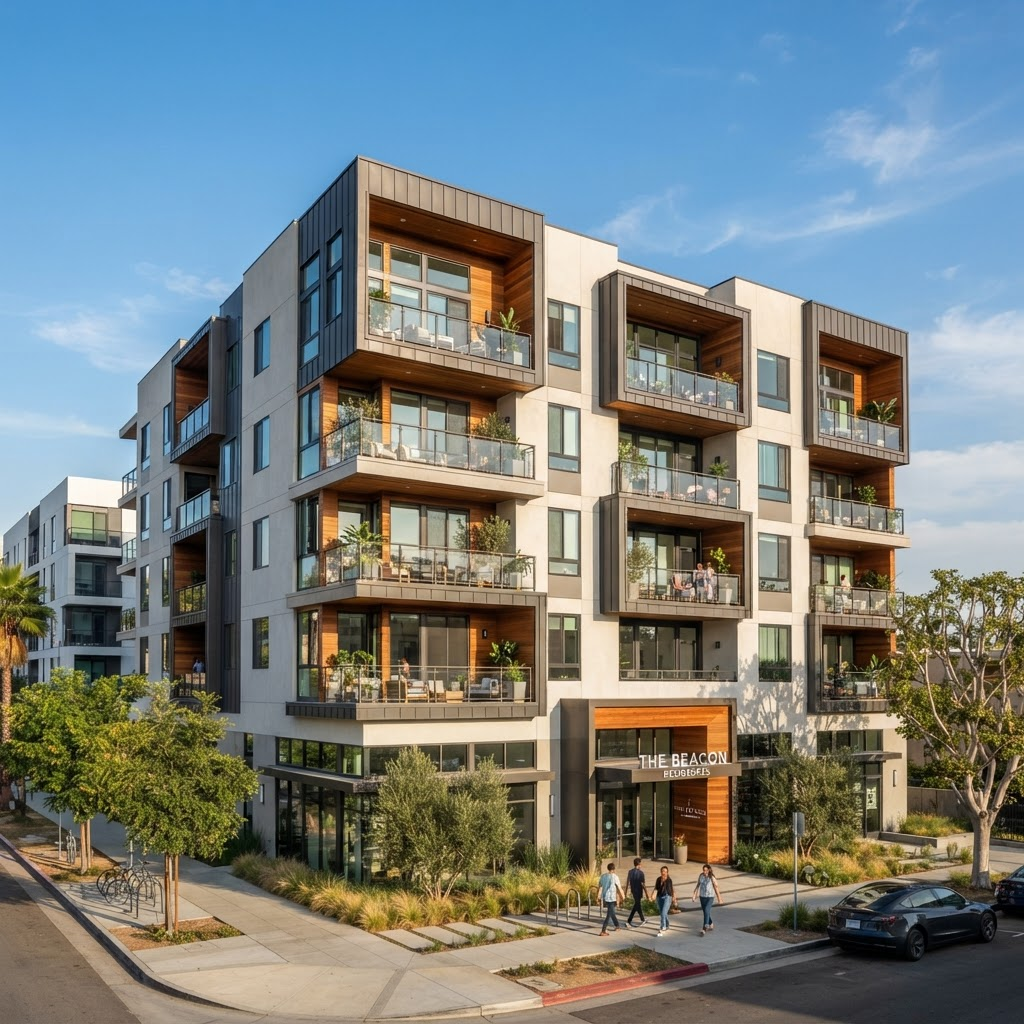
A common fear is that objective standards produce cookie-cutter buildings. In practice, thoughtfully written standards do the opposite: they codify the design qualities communities actually value — active ground floors, articulated facades, quality materials, usable open space — and require them of every project, rather than hoping to negotiate them one hearing at a time.5. It Aligns Incentives Toward Production
California's housing shortage is a supply problem. Objective standards, paired with streamlining, remove a major chokepoint in the pipeline. Supporting them is supporting the broader goal of getting more homes — and more viable small-business space — actually built.The Honest Caveats
We support objective standards, but we're clear-eyed about the challenges:How We Help Clients Navigate This
For our clients, the objective-standards era changes the game plan:The Bottom Line
Objective design standards represent a fundamental shift in how California approves housing — from discretionary, unpredictable, and often exclusionary review toward clear, measurable, and consistent rules. They lower risk, speed production, and make the process fairer, all while allowing communities to demand genuinely good design.We support objective design standards because they align with what we believe good land use policy should do: set a high, clear bar and then get out of the way of the people trying to meet it. For California to build the housing it desperately needs, predictability isn't a nice-to-have — it's the foundation.
For more on navigating California's approval framework, see our guides on the Conditional Use Permit process and government relations in development.